 BitGo
BitGo Coinbase
Neurogastronomy and Virtual Reality: How Light, Sound, and Digital Environments Can Trick the Brain into Changing the Taste of Food
Exploring How AR Glasses, Immersive Soundscapes, and Multisensory Design Can Make Food Taste Sweeter, Saltier, or More Flavorful Without Changing a Single Ingredient
When people think about flavor, they usually imagine something happening on the tongue. Sugar tastes sweet, salt tastes salty, lemons taste sour, and coffee tastes bitter. It seems obvious that the ingredients themselves determine how food tastes.
Modern neuroscience tells a far more fascinating story.
Taste is not created by the tongue alone. Instead, it is the result of a sophisticated collaboration between the brain, the senses, memories, emotions, expectations, and the surrounding environment. Every meal we experience is shaped not only by chemistry but also by vision, hearing, smell, touch, temperature, texture, and even social context.
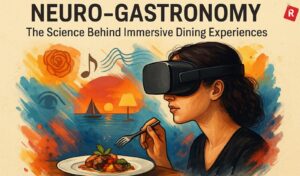
This emerging field of research is known as neurogastronomy—the science of how the brain constructs flavor from multiple sensory inputs. As researchers continue exploring the human sensory system, they are discovering that changing the color of a plate, adjusting ambient lighting, introducing carefully selected sounds, or displaying digital imagery through augmented reality (AR) glasses can significantly alter how food is perceived.
Remarkably, these changes can make food seem sweeter, saltier, fresher, creamier, or more satisfying without altering its chemical composition.
The convergence of neuroscience, psychology, virtual reality (VR), augmented reality (AR), artificial intelligence, and sensory science is opening new possibilities for healthier eating, personalized nutrition, immersive dining experiences, and sustainable food innovation.
This article explores how the brain creates flavor, why our senses are easily influenced, and how digital technologies may redefine the future of eating.
The Brain, Not the Tongue, Creates Flavor
The human tongue detects only a limited number of basic taste categories:
- Sweet
- Salty
- Sour
- Bitter
- Umami
However, what we recognize as “flavor” is generated after the brain combines information from multiple sensory systems.
These include:
- Smell
- Vision
- Hearing
- Texture
- Temperature
- Pain receptors
- Memory
- Emotional associations
The brain continuously integrates these signals into a single unified perception.
Flavor is therefore not simply detected—it is constructed.
The Birth of Neurogastronomy
Neurogastronomy emerged at the intersection of neuroscience, psychology, sensory biology, and culinary science.
Researchers study questions such as:
- Why does identical food taste different in different environments?
- Why do colors influence sweetness?
- Why does music change flavor perception?
- How do memories affect taste?
- Can technology improve healthy eating?
These questions demonstrate that eating is fundamentally a cognitive experience.
Vision Shapes Taste
Before food reaches the mouth, the brain has already formed expectations.
Visual cues include:
- Color
- Shape
- Size
- Plating
- Brightness
- Contrast
Experiments consistently show that identical foods may receive dramatically different flavor ratings depending on visual presentation.
For example:
- Red often increases perceived sweetness.
- Green suggests freshness.
- Dark colors imply richness or bitterness.
- White plates frequently enhance color contrast and perceived quality.
The eyes begin influencing flavor long before the first bite.
The Power of Sound
Perhaps surprisingly, hearing also affects taste perception.
Researchers have observed that different sound environments influence how people describe identical foods.
Examples include:
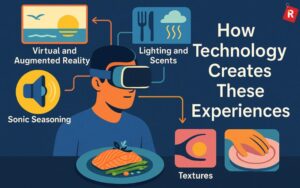
- High-pitched sounds often enhance perceived sweetness.
- Lower frequencies may emphasize bitterness.
- Crisp sounds increase perceived freshness.
- Ocean sounds enhance seafood experiences.
- Nature sounds improve overall meal satisfaction.
Restaurants increasingly experiment with carefully designed soundscapes to enrich dining experiences.
Crossmodal Perception
The interaction between different senses is known as crossmodal perception.
The brain naturally combines sensory information from multiple sources.
Examples include:
- Color affecting sweetness
- Music influencing bitterness
- Texture altering aroma intensity
- Lighting changing freshness perception
- Temperature modifying flavor expectations
Rather than processing each sense independently, the brain integrates them into one experience.
Augmented Reality and Food
Augmented Reality overlays digital information onto the physical world.
During meals, AR glasses could potentially:
- Change food colors
- Display virtual garnishes
- Simulate steam
- Enhance presentation
- Introduce animated visual effects
Although the actual food remains unchanged, the altered visual context influences how the brain interprets flavor.
Virtual Reality Dining
Virtual Reality expands this concept even further.
Imagine eating a simple vegetable meal while virtually sitting inside:
- A luxury restaurant
- A tropical island
- A Japanese tea garden
- A vineyard in Tuscany
- A futuristic space station
Environmental immersion influences emotional responses, attention, and ultimately flavor perception.
Researchers continue investigating these psychological effects.
Can Light Make Food Taste Sweeter?
Lighting significantly affects food perception.
Warm lighting often creates impressions of:
- Comfort
- Richness
- Sweetness
Cool lighting may increase perceptions of:
- Freshness
- Cleanliness
- Acidity
Dynamic lighting systems may eventually adapt continuously throughout a meal to optimize sensory experiences.
Digital Salt Without Sodium
One particularly exciting research direction involves reducing unhealthy ingredients.
Scientists are investigating whether sensory stimulation can compensate for lower concentrations of:
- Salt
- Sugar
- Fat
If lighting, sound, and visual cues increase perceived saltiness, food manufacturers may reduce sodium while maintaining consumer satisfaction.
Such technologies could support healthier diets without sacrificing enjoyment.
Memory as an Ingredient
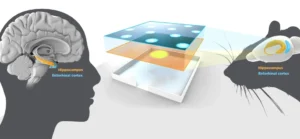
Flavor depends heavily on memory.
A familiar aroma can instantly evoke:
- Childhood meals
- Family gatherings
- Holidays
- Cultural traditions
- Emotional experiences
Neurogastronomy recognizes that memories become active participants in taste perception.
The same dish may produce different experiences depending on personal history.
Emotional Eating and the Brain
Mood also shapes flavor perception.
Stress, anxiety, excitement, and relaxation influence:
- Appetite
- Sweetness sensitivity
- Aroma perception
- Food preferences
Future digital dining systems may adjust environments to promote healthier eating behaviors.
Artificial Intelligence Meets Neurogastronomy
Artificial intelligence enables researchers to analyze enormous sensory datasets.
Machine learning systems may eventually predict how individuals perceive flavor based on:
- Genetics
- Age
- Health conditions
- Cultural background
- Previous eating behavior
- Emotional state
This could enable highly personalized dining experiences.
Applications in Healthcare
Neurogastronomy extends beyond restaurants.
Potential medical applications include:
- Cancer treatment support
- Appetite stimulation
- Elderly nutrition
- Childhood feeding disorders
- Diabetes management
- Reduced-sodium diets
Improving flavor perception may encourage healthier nutritional choices.
Sustainable Food Innovation
Many sustainable foods struggle because consumers perceive them as less enjoyable.
Multisensory technologies may improve acceptance of:
- Plant-based proteins
- Alternative seafood
- Cultivated meat
- Insect protein
- Functional foods
Rather than modifying ingredients, researchers modify perception.
Restaurants of the Future
Future dining experiences may combine:
- Smart lighting
- Spatial audio
- Augmented Reality
- Personalized aromas
- Adaptive tableware
- Artificial intelligence
Menus could evolve dynamically based on customer preferences and physiological responses.
Dining becomes an interactive multisensory performance.
Challenges and Ethical Questions
Despite exciting progress, important questions remain.
Researchers continue debating:
- Should sensory manipulation always be disclosed?
- Can digital environments influence purchasing decisions unfairly?
- How should personalized sensory data be protected?
- Where is the boundary between enhancement and manipulation?
Ethical guidelines will become increasingly important as these technologies mature.
Future Research Directions
Scientists continue exploring:
- Digital aroma transmission
- Personalized multisensory interfaces
- Brain-computer interaction
- AI-generated flavor experiences
- Wearable sensory devices
- Neural taste stimulation
Future systems may combine several technologies simultaneously to create highly realistic synthetic flavor experiences.
Best Practices for Designing Multisensory Food Experiences
Researchers and designers working in neurogastronomy increasingly recommend:
- Consider all sensory channels rather than taste alone.
- Use lighting and color intentionally.
- Match audio environments to desired flavor perceptions.
- Personalize experiences where appropriate.
- Support healthier eating without compromising enjoyment.
- Validate sensory effects through scientific testing.
- Respect cultural differences in taste perception.
- Ensure transparency and ethical use of immersive technologies.
Successful neurogastronomic design balances science, psychology, technology, and human experience.
Conclusion
Neurogastronomy is transforming our understanding of one of humanity’s most fundamental experiences: eating. Rather than viewing flavor as a simple chemical interaction on the tongue, modern neuroscience demonstrates that taste is a sophisticated creation of the brain, shaped by vision, sound, smell, memory, emotion, texture, and environmental context. Advances in augmented reality, virtual reality, artificial intelligence, and multisensory design are revealing that carefully orchestrated combinations of light, sound, and digital environments can significantly influence how food is perceived—sometimes making it seem sweeter, saltier, richer, or more satisfying without changing a single ingredient.
These discoveries have profound implications for healthcare, nutrition, sustainability, food innovation, and the future of dining. By understanding how the brain constructs flavor, researchers and designers can develop immersive experiences that promote healthier eating, reduce dependence on sugar and salt, preserve culinary enjoyment, and create entirely new forms of digital gastronomy. As immersive technologies continue to evolve, the future of food may be shaped as much by neuroscience and sensory engineering as by traditional cooking itself.