 BitGo
BitGo Coinbase
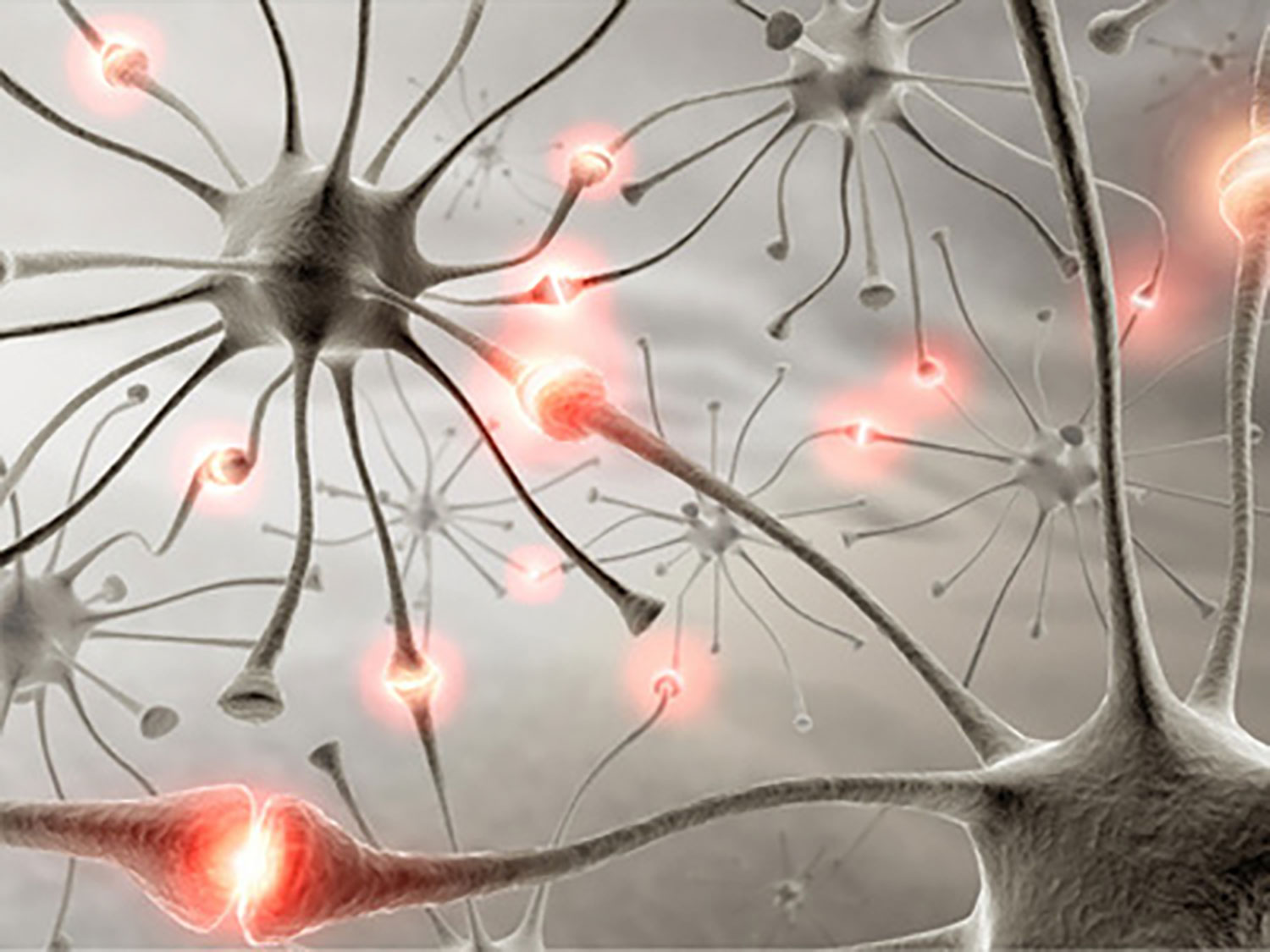
Molecular Architects: How the Digitalization of Receptors Is Making It Possible to Encode and Transmit Taste
The Science Behind Digitizing Flavor and Aroma to Recreate Rare Sensory Experiences Anywhere in the World
For centuries, humanity has learned to digitize information in increasingly sophisticated ways. We transformed written language into digital text, converted sound into streaming audio, and turned images into billions of pixels. More recently, virtual reality has enabled us to simulate immersive visual and auditory experiences with remarkable realism.
Yet one of the greatest frontiers of digital communication remains largely unexplored: taste and smell.
Unlike images or sound, flavors cannot simply be compressed into a standard file format. Every bite of food is the result of thousands of volatile molecules interacting with specialized receptors inside the human nose and mouth. These chemical interactions generate complex sensory experiences that influence memory, emotion, appetite, and perception.
Scientists now believe that advances in molecular biology, artificial intelligence, computational chemistry, and digital sensor technology may eventually allow flavors and aromas to be encoded, transmitted, and reconstructed with extraordinary precision. Instead of shipping expensive ingredients across continents, it may become possible to send a digital “flavor file” capable of reproducing the molecular profile of a rare coffee, an exotic fruit, or a centuries-old wine anywhere in the world.
Although this technology is still emerging, researchers are laying the scientific foundations for what many describe as the future Internet of Taste.
Why Taste Is More Complex Than We Imagine
Many people think taste comes only from the tongue.
In reality, what we perceive as flavor is the result of multiple biological systems working together.
Our brain combines information from:
- Taste receptors
- Olfactory receptors
- Temperature sensors
- Texture receptors
- Pain receptors
- Visual appearance
- Sound
- Previous experiences
Nearly 80% of what we describe as flavor actually originates from our sense of smell.
This complexity explains why digitizing flavor presents a much greater scientific challenge than digitizing sound or images.
Understanding Molecular Signatures
Every food contains thousands of chemical compounds.
Coffee alone contains more than 800 volatile aroma molecules.
Chocolate contains hundreds of aromatic compounds.
Fine wines may contain over one thousand identifiable molecules that contribute to their sensory profile.
Scientists increasingly describe these unique molecular combinations as molecular signatures.
Just as fingerprints identify individuals, molecular signatures identify flavors.
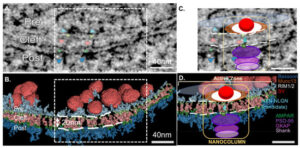
From Chemistry to Digital Data
The first step toward digital taste transmission involves analyzing these molecular signatures.
Modern analytical laboratories use highly advanced technologies including:
- Gas chromatography
- Mass spectrometry
- Electronic noses (eNoses)
- Electronic tongues (eTongues)
- Raman spectroscopy
- Infrared spectroscopy
These instruments identify thousands of individual molecules present in food, beverages, perfumes, and natural ingredients.
The resulting measurements can be converted into structured digital datasets.
Electronic Noses: Teaching Machines to Smell
An electronic nose does not “smell” in the human sense.
Instead, it contains arrays of chemical sensors that respond differently to various volatile compounds.
Artificial intelligence then analyzes these sensor responses to identify characteristic aroma patterns.
Applications already include:
- Food quality control
- Wine authentication
- Medical diagnostics
- Environmental monitoring
- Agricultural analysis
- Pharmaceutical manufacturing
As sensor technology improves, electronic noses continue approaching human sensitivity for many odor categories.
Electronic Tongues: Digital Taste Detection
Electronic tongues operate using similar principles.
Rather than detecting aromas, they analyze dissolved chemical compounds associated with the five primary taste categories:
- Sweet
- Sour
- Salty
- Bitter
- Umami
Modern research is expanding beyond these traditional categories to investigate additional sensory dimensions such as:
- Fat perception
- Metallic sensations
- Astringency
- Kokumi (mouthfulness)
- Cooling sensations
These systems provide objective, repeatable measurements that complement human sensory panels.
Building a Digital Flavor Library
Once molecular signatures are identified, they can be organized into searchable digital databases.
Each flavor profile may include:
- Chemical composition
- Concentration ranges
- Molecular interactions
- Volatility characteristics
- Stability data
- Sensory descriptors
Artificial intelligence can then compare millions of molecular combinations to identify similarities or predict entirely new flavor experiences.
Artificial Intelligence as a Molecular Architect
One of the most exciting developments is the application of AI to flavor science.
Instead of simply analyzing existing recipes, machine learning models can predict how combinations of molecules may be perceived by human sensory systems.
AI can help researchers:
- Design new flavors
- Replicate rare ingredients
- Reduce undesirable aromas
- Optimize food formulations
- Discover sustainable ingredient alternatives
Rather than replacing chefs or flavor chemists, AI becomes a powerful creative partner.
Encoding Taste as Digital Information
Imagine scanning the molecular profile of an exceptionally rare Japanese melon.
Instead of shipping the fruit overseas, researchers generate a digital molecular blueprint describing:
- Aroma compounds
- Taste molecules
- Relative concentrations
- Molecular interactions
This information could theoretically be transmitted instantly across the globe.
A receiving laboratory could reproduce the flavor using carefully selected food-safe compounds.
The concept resembles streaming music—but instead of sound waves, the transmitted information represents chemistry.
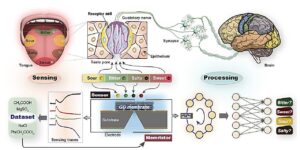
Reconstructing Flavor
Receiving a digital flavor file is only half the challenge.
Scientists must also reproduce the corresponding molecular composition.
Possible future approaches include:
- Precision molecular synthesis
- Automated flavor printers
- Programmable beverage systems
- Smart food manufacturing
- Biotechnological fermentation
- Engineered microorganisms
These technologies may eventually recreate highly accurate flavor profiles from digital instructions.
Preserving Rare Culinary Heritage
Many traditional foods depend on seasonal ingredients or regional ecosystems.
Climate change, biodiversity loss, and agricultural disruption threaten some of these unique flavors.
Digital molecular archives could preserve:
- Historic wines
- Indigenous fruits
- Traditional spices
- Rare cheeses
- Heritage coffee varieties
- Regional culinary specialties
Future generations might experience flavors that would otherwise disappear.
Revolutionizing the Food Industry
Digitized flavor technology could transform numerous industries.
Potential applications include:
- Personalized nutrition
- Functional foods
- Medical diets
- Space exploration
- Luxury gastronomy
- Food manufacturing
- Restaurant innovation
- Beverage development
Manufacturers may dramatically reduce product development time while improving consistency.
Healthcare Applications
Taste digitization extends beyond culinary experiences.
Researchers are investigating personalized flavor systems for:
- Cancer patients experiencing taste changes
- Elderly individuals with reduced sensory perception
- Medical nutrition
- Appetite stimulation
- Pediatric medicine
Improving flavor perception may encourage healthier eating and better treatment adherence.
Sustainability Benefits
Transporting premium food ingredients globally consumes significant energy.
Digital flavor replication could reduce dependence on:
- Long-distance shipping
- Rare natural resources
- Endangered plant species
- Environmentally intensive agriculture
Alternative production methods may lower carbon emissions while preserving valuable natural ecosystems.
Ethical Questions
Like many emerging technologies, digital taste raises important ethical issues.
Questions include:
- Who owns a molecular flavor profile?
- Can recipes be copyrighted digitally?
- Should rare cultural foods be replicated commercially?
- How can authenticity be verified?
- Could counterfeit luxury products become indistinguishable?
Legal frameworks will likely evolve alongside the technology.
Technical Challenges
Despite remarkable progress, several obstacles remain.
Researchers continue working to solve problems involving:
- Individual genetic differences
- Human sensory variability
- Complex molecular interactions
- Real-time flavor synthesis
- Long-term chemical stability
- Standardized flavor encoding
Human perception remains far more complex than any current digital model.
The Future Internet of Taste
Some researchers envision future communication systems capable of transmitting multisensory experiences.
Imagine participating in an online cooking class where participants not only see and hear the chef but also experience identical flavors simultaneously.
Restaurants could distribute digital tasting experiences.
Food companies could test products remotely.
Museums might recreate historical meals.
Space missions could deliver familiar tastes to astronauts despite limited onboard ingredients.
Although these ideas remain experimental, the underlying scientific foundations continue advancing rapidly.
Artificial Intelligence and Personalized Flavor
Future AI systems may understand individual taste preferences with extraordinary precision.
Rather than recommending generic recipes, intelligent systems could generate meals optimized for:
- Personal genetics
- Health conditions
- Cultural preferences
- Emotional state
- Nutritional goals
- Previous eating habits
Food personalization may become as sophisticated as today’s music recommendation algorithms.
Best Practices for Developing Digital Flavor Technologies
Researchers working in this emerging field emphasize several priorities:
- Build comprehensive molecular databases.
- Standardize digital flavor encoding methods.
- Develop highly sensitive electronic sensor arrays.
- Integrate AI with computational chemistry.
- Ensure food safety throughout synthesis processes.
- Preserve cultural authenticity.
- Address ethical and intellectual property concerns.
- Foster collaboration between chemists, neuroscientists, engineers, and culinary experts.
Interdisciplinary research will play a critical role in transforming digital flavor science from laboratory experiments into real-world applications.
Conclusion
The digitalization of taste represents one of the most ambitious scientific frontiers of the twenty-first century. By combining molecular chemistry, artificial intelligence, advanced sensor technologies, computational biology, and neuroscience, researchers are beginning to translate complex sensory experiences into digital information that can be analyzed, stored, transmitted, and eventually reconstructed. Although recreating the full richness of human flavor perception remains an enormous challenge, today’s advances in electronic noses, electronic tongues, molecular databases, and AI-driven flavor modeling demonstrate that this vision is moving steadily from theory toward reality.
In the coming decades, digital taste technologies could transform food production, healthcare, scientific research, cultural preservation, and global culinary experiences. Just as digital photography revolutionized visual communication and streaming transformed the music industry, the ability to encode and reproduce flavors may redefine how humanity experiences food, preserves gastronomic heritage, and shares sensory experiences across the world. The age of molecular architects has only just begun, and its innovations may fundamentally change the future of taste itself.