 BitGo
BitGo Coinbase
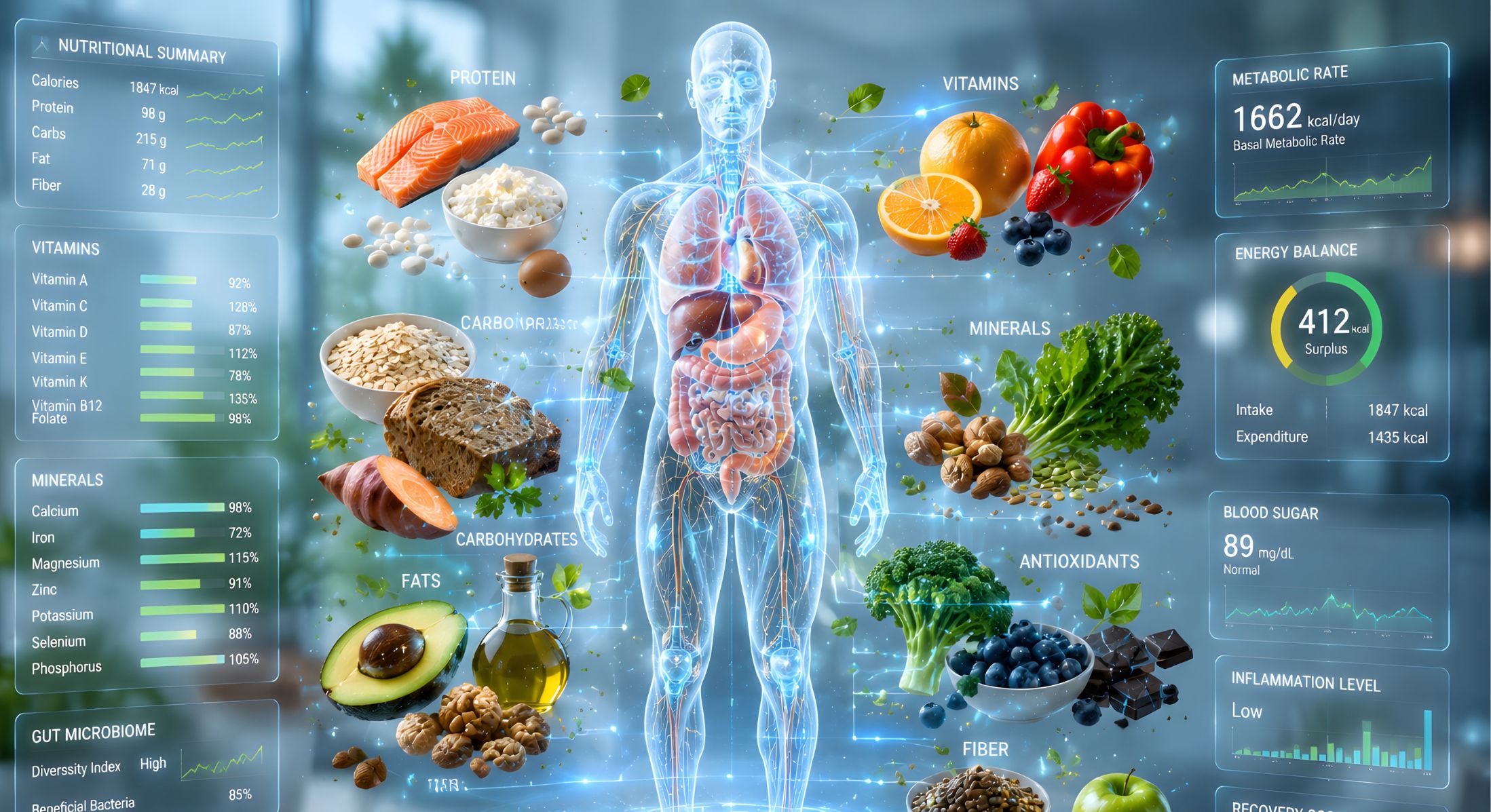
Hyper-Personalized Nutrition: How DNA Analysis, the Gut Microbiome, and AI Are Shaping the Future of Food
Exploring the 2025–2026 Trend of 3D-Printed Meals and Intelligent Nutrition Systems Tailored to Individual Genetics, Microbiome Profiles, Health Needs, and Personal Taste Preferences
Nutrition has traditionally been built around general recommendations. Governments publish dietary guidelines, nutritionists suggest balanced meals, and food manufacturers develop products intended to satisfy broad populations. While these approaches have improved public health, they overlook a fundamental biological reality: no two people process food in exactly the same way.
Advances in genetics, microbiome science, artificial intelligence, wearable health devices, and digital food manufacturing are driving a new era known as hyper-personalized nutrition. Instead of following standardized meal plans, individuals may soon receive foods specifically designed for their unique biology, lifestyle, health goals, and even their daily physiological condition.
Scientists increasingly recognize that genes influence nutrient metabolism, while trillions of microorganisms living in the human digestive system affect digestion, immune function, metabolism, and even mental well-being. At the same time, AI-powered algorithms can analyze enormous amounts of biological data, identifying nutritional patterns impossible for humans to detect manually.
Combined with emerging technologies such as automated nutrient dispensers, robotic kitchens, and 3D food printing, these discoveries are paving the way for meals that can be customized with unprecedented precision.
Although many aspects of this vision remain under active research, personalized nutrition is rapidly evolving from a scientific concept into a practical healthcare and food technology innovation.
Why One Diet Does Not Fit Everyone
People often respond very differently to identical foods.
Two individuals eating the same meal may experience different:
- Blood sugar responses
- Digestion rates
- Satiety levels
- Energy production
- Nutrient absorption
- Gut microbiome activity
These differences arise from a combination of genetics, physiology, lifestyle, age, medical conditions, and environmental factors.
Personalized nutrition seeks to account for these biological variations rather than relying on generalized dietary recommendations.
The Role of DNA in Nutrition
The field of nutrigenomics studies how genes influence the body’s interaction with nutrients.
Researchers have identified genetic variations associated with differences in areas such as:
- Lactose digestion
- Caffeine metabolism
- Fat metabolism
- Vitamin utilization
- Sodium sensitivity
- Alcohol metabolism
Genetic information may help healthcare professionals better understand how certain individuals respond to specific dietary patterns.
However, DNA is only one factor among many and should not be viewed as a complete predictor of health outcomes.
The Gut Microbiome: Your Hidden Nutritional Partner
The human digestive tract contains trillions of microorganisms collectively known as the gut microbiome.
These microorganisms contribute to:
- Digestion
- Vitamin production
- Immune regulation
- Metabolic processes
- Short-chain fatty acid production
- Protection against harmful microbes
Every person’s microbiome is unique and continuously changes in response to diet, medications, environment, and lifestyle.
Understanding these microbial communities may allow future nutrition plans to become even more individualized.
Artificial Intelligence Makes Personalization Possible
Modern personalized nutrition generates enormous amounts of biological data.
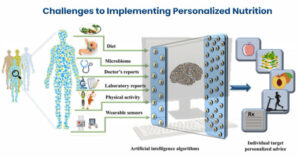
Artificial intelligence can integrate information from:
- DNA analysis
- Microbiome testing
- Blood biomarkers
- Wearable sensors
- Physical activity
- Sleep quality
- Medical history
- Dietary preferences
Machine learning models identify complex relationships and generate personalized nutritional recommendations that adapt as new information becomes available.
Continuous Health Monitoring
Wearable technology is becoming an increasingly important part of personalized nutrition.
Smart devices can monitor:
- Heart rate
- Physical activity
- Sleep duration
- Stress indicators
- Body temperature
- Blood glucose (using approved continuous glucose monitoring systems where applicable)
Future systems may combine these measurements with nutrition platforms to recommend meals based on an individual’s current physiological status.
Detecting Nutritional Deficiencies
Traditional nutrition advice often relies on broad assumptions.
Hyper-personalized systems may incorporate laboratory results to identify possible deficiencies involving nutrients such as:
- Iron
- Vitamin D
- Vitamin B12
- Magnesium
- Folate
- Zinc
Dietary recommendations can then be adjusted under appropriate medical guidance to support individual nutritional needs.
Personalized Flavor Preferences
Nutrition is not only about health—it is also about enjoyment.
AI systems can learn personal preferences regarding:
- Sweetness
- Spiciness
- Texture
- Aroma
- Portion size
- Favorite ingredients
- Cultural cuisine
Future meal planning platforms may optimize both nutritional value and long-term adherence by incorporating these preferences.
The Rise of 3D Food Printing
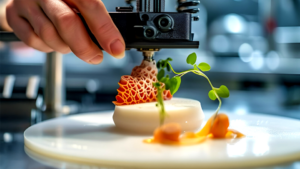
Three-dimensional food printing is emerging as one of the most innovative technologies in digital gastronomy.
Instead of producing standardized meals, food printers can precisely layer ingredients according to digital recipes.
Potential applications include:
- Customized textures
- Personalized nutrient compositions
- Medical nutrition
- Senior care
- Sports nutrition
- Space exploration
Current commercial adoption remains limited, but research and pilot projects continue expanding.
Intelligent Nutrient Mixing
Researchers are also developing automated food preparation systems capable of dispensing ingredients with high precision.
Future smart kitchens may automatically adjust:
- Protein content
- Healthy fats
- Carbohydrates
- Fiber
- Vitamins
- Minerals
- Flavor intensity
The objective is to create meals that align with an individual’s nutritional profile while maintaining taste and convenience.
Nutrition for Medical Care
Hyper-personalized nutrition has significant potential in healthcare.
Researchers are investigating customized dietary approaches for conditions such as:
- Type 2 diabetes
- Cardiovascular disease
- Obesity
- Food allergies
- Gastrointestinal disorders
- Malnutrition
Personalized nutrition is intended to complement—not replace—professional medical care and evidence-based treatment.
Sports Performance and Recovery
Athletes have long used individualized nutrition plans.
Future AI-driven platforms may further optimize:
- Hydration
- Recovery meals
- Protein intake
- Electrolyte balance
- Training nutrition
- Competition preparation
Continuous physiological monitoring may allow nutrition strategies to evolve throughout the day.
Supporting Healthy Aging
Older adults often have changing nutritional requirements.
Personalized nutrition systems may help address:
- Reduced appetite
- Muscle preservation
- Bone health
- Vitamin deficiencies
- Digestive changes
Meals adapted to individual needs could support healthy aging and improve quality of life.
Sustainability Through Precision Nutrition
Hyper-personalized food systems may also contribute to sustainability.
Potential benefits include:
- Reduced food waste
- Optimized ingredient use
- Smaller portion waste
- Efficient resource consumption
- Greater use of alternative proteins
Producing only what is needed may improve both environmental and economic efficiency.
Privacy and Ethical Considerations
Personalized nutrition depends on sensitive biological information.
Organizations handling such data should prioritize:
- Secure storage
- Transparent consent
- Data encryption
- User control over personal information
- Compliance with privacy regulations
Trust will be essential for widespread adoption.
Current Challenges
Despite rapid progress, several limitations remain.
Researchers continue addressing issues including:
- Scientific validation
- Standardization of microbiome analysis
- Long-term clinical evidence
- Cost reduction
- Accessibility
- Regulatory oversight
Many promising technologies are still transitioning from research laboratories to practical everyday use.
The Future Smart Kitchen
Future kitchens may function as intelligent nutrition ecosystems.
Connected appliances could integrate with:
- Health records
- Wearable devices
- Smart refrigerators
- Automated grocery services
- AI nutrition assistants
- Robotic cooking systems
Meals may be prepared dynamically based on current biological needs rather than fixed recipes.
Best Practices for Implementing Personalized Nutrition
Organizations developing personalized nutrition platforms should:
- Base recommendations on validated scientific evidence.
- Combine genetic information with microbiome and lifestyle data.
- Protect sensitive health information using strong cybersecurity practices.
- Clearly distinguish evidence-based recommendations from experimental features.
- Collaborate with healthcare professionals and nutrition scientists.
- Continuously update AI models using high-quality clinical research.
- Prioritize transparency and informed user consent.
- Design systems that encourage long-term healthy eating habits rather than restrictive diets.
Successful personalized nutrition combines biology, data science, clinical expertise, and user-centered design.
Conclusion
Hyper-personalized nutrition represents one of the most exciting intersections of genomics, microbiome science, artificial intelligence, and digital food technology. By combining insights from DNA analysis, gut microbiome research, wearable health monitoring, and intelligent data analytics, scientists are moving toward a future in which nutrition can be tailored to each person’s unique biology, health status, and lifestyle. Emerging technologies such as automated nutrient dispensing systems and 3D food printing further expand the possibilities for creating meals that are not only nutritionally optimized but also enjoyable and highly individualized.
While many of these innovations remain under active scientific development and require continued clinical validation, the direction of research is clear. Nutrition is gradually shifting away from generalized dietary advice toward adaptive, data-driven approaches that recognize the uniqueness of every individual. As artificial intelligence, biotechnology, and digital food manufacturing continue to advance, hyper-personalized nutrition has the potential to improve health outcomes, support disease prevention, reduce food waste, and fundamentally redefine how we think about food in the decades ahead.