 BitGo
BitGo Coinbase
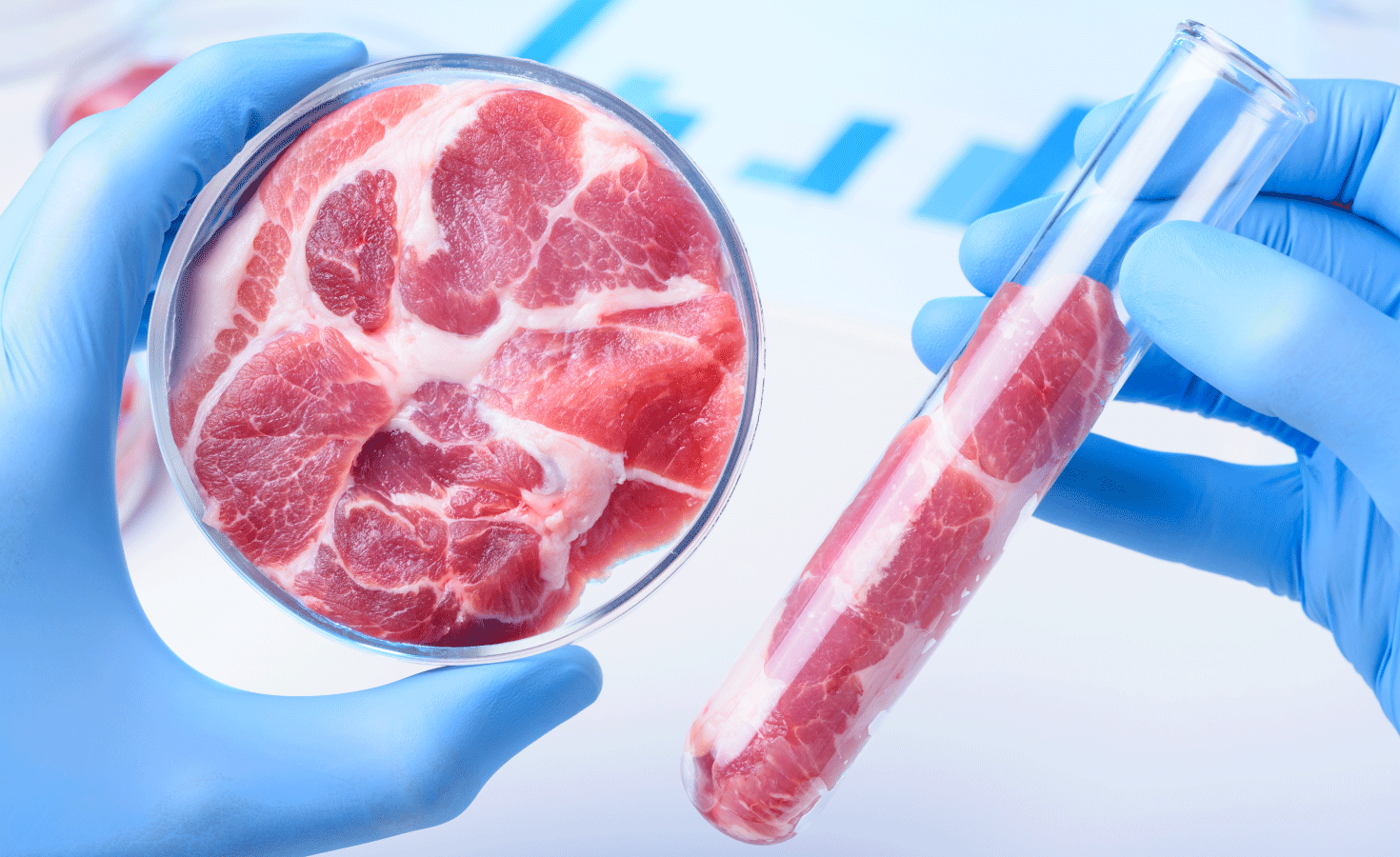
Smart Alternatives: How Biotechnology Is Making Cultivated Meat and Seafood Nearly Indistinguishable from Traditional Products
How Precision Fermentation, Cellular Agriculture, and Tissue Engineering Are Recreating the Texture, Juiciness, Fat Content, and Authentic Flavor of Conventional Meat and Fish
The global food industry is entering one of the most significant technological transformations since the beginning of modern agriculture. Rising demand for protein, population growth, climate change, pressure on natural resources, and concerns about food security have accelerated research into sustainable alternatives to conventional livestock and commercial fishing.
Early generations of plant-based meat substitutes successfully reduced dependence on animal agriculture, but many consumers still noticed clear differences in texture, aroma, juiciness, and overall eating experience. Replicating the complex structure of muscle tissue, fat distribution, connective tissue, and the distinctive flavors that develop during cooking proved far more challenging than simply matching nutritional content.
Today, biotechnology is closing that gap.
Through advances in precision fermentation, cellular agriculture, tissue engineering, synthetic biology, and artificial intelligence, researchers are developing next-generation proteins that increasingly resemble traditional meat and seafood at the molecular level. Instead of merely imitating appearance, these technologies seek to recreate the biological building blocks responsible for authentic flavor, tenderness, marbling, and cooking behavior.
Although large-scale commercialization continues to face technical, regulatory, and economic challenges, recent progress suggests that cultivated proteins could become an important component of future global food systems.
Why Traditional Meat Is Difficult to Replicate
Meat is far more than protein.
Its sensory qualities result from a highly complex biological structure that includes:
- Muscle fibers
- Connective tissue
- Fat cells
- Blood pigments
- Water content
- Amino acids
- Natural enzymes
- Volatile aroma compounds
During cooking, these components interact through numerous chemical reactions that generate the familiar aromas and flavors associated with beef, poultry, pork, and seafood.
Replicating this complexity requires much more than combining plant proteins.
What Is Cellular Agriculture?
Cellular agriculture is a field of biotechnology that produces animal-derived products using cultured cells rather than raising and slaughtering animals.
Scientists begin by obtaining carefully selected cells capable of growth under laboratory conditions.
These cells are supplied with nutrients inside controlled cultivation systems, where they multiply and gradually develop into specific tissue types.
The objective is to produce edible animal tissue while reducing dependence on conventional livestock production.
Understanding Precision Fermentation
Precision fermentation differs from cultivated meat but often complements it.
Instead of growing animal cells, scientists engineer microorganisms such as yeast, fungi, or bacteria to produce specific proteins.
These microorganisms function as microscopic biological factories capable of manufacturing compounds including:
- Milk proteins
- Egg proteins
- Enzymes
- Flavor molecules
- Functional food ingredients
The resulting proteins are chemically equivalent to the targeted molecules, although production methods differ from conventional agriculture.
Why Precision Fermentation Matters
Some of the most important flavor characteristics in meat originate from specific proteins and molecules rather than muscle tissue alone.
Precision fermentation allows researchers to produce these key compounds with high precision.
Potential applications include:
- Flavor enhancement
- Aroma development
- Improved texture
- Nutritional optimization
- Functional ingredients
By combining these components with cultivated cells or plant-based ingredients, developers can create more realistic food products.
Recreating Meat Texture
Texture remains one of the greatest scientific challenges.
Natural muscle contains highly organized fibers aligned in specific directions.
Researchers are exploring several techniques to recreate this architecture, including:
- Edible scaffolds
- Tissue engineering
- Three-dimensional bioprinting
- Structured protein assembly
- Controlled cell differentiation
These approaches encourage cells to organize into structures resembling natural muscle tissue.
The Importance of Fat
Fat contributes significantly to:
- Juiciness
- Tenderness
- Mouthfeel
- Flavor release
- Aroma development
Without appropriate fat distribution, meat alternatives often feel dry or lack complexity.
Scientists therefore cultivate fat cells alongside muscle cells to improve sensory characteristics.
Replicating natural marbling remains an active area of research.
Creating the Characteristic “Meaty” Flavor
One of the defining characteristics of cooked meat is its aroma.
This flavor develops through interactions between proteins, amino acids, sugars, and lipids during cooking.
Researchers investigate how biotechnology can reproduce the molecular precursors responsible for these reactions.
Precision fermentation may also produce selected aroma compounds that contribute to authentic flavor profiles.
Replicating Seafood
Seafood presents unique challenges.
Fish and shellfish possess distinctive:
- Protein structures
- Lipid composition
- Ocean-derived aromas
- Delicate textures
Researchers are developing cultivated seafood products intended to reproduce these characteristics while reducing pressure on wild fisheries and helping address concerns related to overfishing.
Artificial Intelligence Accelerates Innovation
Artificial intelligence has become an important tool in food biotechnology.
Machine learning models help researchers:
- Predict protein behavior
- Optimize fermentation conditions
- Analyze cellular growth
- Design nutrient formulations
- Improve manufacturing efficiency
- Identify promising molecular combinations
AI significantly reduces experimental trial-and-error during product development.
3D Bioprinting of Food
Three-dimensional food printing is becoming increasingly sophisticated.
Rather than printing plastic or metal, food bioprinters precisely arrange edible materials layer by layer.
Potential applications include:
- Customized steaks
- Seafood fillets
- Personalized nutrition
- Medical diets
- Structured protein products
Although commercial adoption remains limited, ongoing research continues improving printing precision and scalability.
Sustainability Benefits
Alternative protein technologies may contribute to sustainability through:
- Reduced land use
- Lower freshwater consumption
- Greater production efficiency
- Less dependence on livestock
- Improved supply chain resilience
The overall environmental impact depends on many factors, including energy sources, production methods, and manufacturing scale.
Researchers continue assessing these variables through life-cycle analyses.
Food Safety Advantages
Controlled production environments may reduce exposure to certain biological hazards associated with traditional animal agriculture.
Examples include:
- Some foodborne pathogens
- Environmental contaminants
- Certain parasites
However, cultivated foods must still comply with rigorous food safety standards and regulatory oversight before reaching consumers.
Economic Challenges
Despite remarkable scientific progress, large-scale commercialization faces several obstacles.
Current challenges include:
- Production costs
- Manufacturing scale
- Regulatory approval
- Consumer acceptance
- Infrastructure investment
- Supply chain development
Continued technological improvements are expected to enhance efficiency over time.
Consumer Perception
Public acceptance remains a key factor.
Consumers often ask questions regarding:
- Safety
- Nutrition
- Taste
- Environmental impact
- Labeling
- Manufacturing methods
Transparent communication and evidence-based education will play important roles in building consumer confidence.
Ethical Considerations
Biotechnology-based food production raises important ethical questions.
Supporters highlight potential benefits such as:
- Reduced animal slaughter
- Improved sustainability
- Greater food security
Others emphasize the importance of:
- Transparent regulation
- Consumer choice
- Long-term safety evaluation
- Responsible innovation
Constructive public dialogue will remain essential as these technologies evolve.
Future Research Directions
Scientists continue investigating:
- Improved cell culture media
- Faster cellular growth
- Better fat integration
- Advanced edible scaffolds
- AI-guided bioprocess optimization
- More efficient precision fermentation
- Enhanced flavor development
- Cost-effective manufacturing
Each advancement brings biotechnology closer to producing products that more closely resemble conventional meat and seafood.

Best Practices for Developing Cultivated Proteins
Organizations working in cellular agriculture and precision fermentation should:
- Prioritize rigorous food safety testing.
- Maintain transparent manufacturing processes.
- Combine biotechnology with artificial intelligence for process optimization.
- Improve energy efficiency and production scalability.
- Conduct independent nutritional and sensory evaluations.
- Collaborate closely with regulatory authorities.
- Clearly communicate scientific evidence to consumers.
- Continue investing in sustainable manufacturing technologies.
Responsible innovation requires balancing scientific progress with public trust and regulatory compliance.
Conclusion
Biotechnology is reshaping the future of protein production by combining precision fermentation, cellular agriculture, tissue engineering, and artificial intelligence to create increasingly realistic alternatives to conventional meat and seafood. Rather than simply imitating appearance, these technologies seek to reproduce the molecular and structural characteristics responsible for authentic texture, juiciness, marbling, aroma, and cooking performance. Although cultivated proteins and fermentation-derived ingredients remain an evolving field, rapid advances in cell biology, biomaterials, computational modeling, and manufacturing processes are steadily narrowing the gap between traditional animal products and their next-generation alternatives.
As research continues and production technologies mature, cultivated meat and seafood may become valuable additions to global food systems alongside conventional agriculture and plant-based foods. Their long-term success will depend on scientific validation, regulatory oversight, economic scalability, sustainability, and consumer confidence. Together, these innovations demonstrate how biotechnology can help address future challenges in nutrition, food security, and environmental stewardship while expanding the range of choices available to consumers worldwide.