 BitGo
BitGo Coinbase

Taste Inclusivity: Restoring the Joy of Food Through Sensory Technology and Biotechnology
How Emerging Therapies, Digital Sensory Systems, and Personalized Nutrition Are Helping People Recover Taste and Smell After Illness and During Healthy Aging
For most people, eating is far more than a biological necessity. The flavors of a favorite meal, the aroma of freshly brewed coffee, or the scent of warm bread are deeply connected to memory, emotion, culture, and quality of life. Yet millions of people worldwide experience a partial or complete loss of taste or smell due to viral infections, aging, neurological conditions, medications, or other health-related factors. These sensory changes can transform enjoyable meals into routine tasks, reduce appetite, contribute to poor nutrition, and diminish social experiences centered around food.
In recent years, scientists have made significant progress in understanding how the human senses of taste and smell function, how they become impaired, and how they may recover. Advances in neuroscience, regenerative biology, artificial intelligence, digital health, biotechnology, and sensory engineering are opening new possibilities for supporting individuals living with altered sensory perception.
This emerging field—sometimes described as taste inclusivity—focuses on making food enjoyable and nutritionally accessible for people with diverse sensory abilities. Rather than relying on a single solution, researchers are combining rehabilitation techniques, adaptive food design, personalized nutrition, digital sensory technologies, and carefully studied biological approaches to improve the eating experience while supporting overall health.
Although many innovations remain under active investigation, they demonstrate how technology can help make nutrition more inclusive for people of all ages and health conditions.
Why Taste and Smell Matter
Taste and smell work together to create the rich sensory experience commonly referred to as flavor.
When these senses function normally, they help people detect:
- Sweetness
- Saltiness
- Sourness
- Bitterness
- Umami
- Aromatic complexity
Together they influence appetite, food preferences, safety, and emotional well-being.
A reduction in either sense can significantly change everyday eating.
Understanding Taste Loss
Taste disorders may develop for many reasons, including:
- Viral infections
- Natural aging
- Certain medications
- Head injuries
- Neurological diseases
- Medical treatments affecting sensory function
The severity and duration vary widely from person to person.
Some individuals recover naturally, while others require ongoing clinical evaluation and supportive care.
Why Smell Is Equally Important
Much of what people perceive as flavor actually depends on smell.
As food is chewed, volatile aroma molecules travel to the olfactory receptors through the back of the nasal cavity, contributing substantially to flavor perception.
When smell is reduced, foods may seem bland even if the tongue continues detecting basic taste qualities.
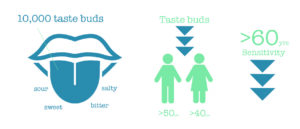
Aging and Sensory Changes
Healthy aging often involves gradual changes in sensory perception.
Older adults may experience reduced sensitivity to:
- Sweet flavors
- Salty flavors
- Aromatic compounds
- Food temperature
- Texture differences
These changes can influence appetite and nutritional status, making individualized dietary strategies increasingly important.
Sensory Rehabilitation
One evidence-informed approach for some individuals with smell disorders is olfactory training.
This structured rehabilitation method involves repeated exposure to selected scents over an extended period under professional guidance.
Research suggests that olfactory training may support recovery for certain people, although outcomes differ depending on the underlying cause of sensory loss.
Biotechnology and Regenerative Research
Scientists are investigating biological approaches that may one day support the repair of sensory tissues.
Areas of active research include:
- Growth factors
- Stem cell biology
- Tissue regeneration
- Gene regulation
- Cellular repair mechanisms
Most of these approaches remain experimental and require extensive clinical research before routine medical use.
Artificial Intelligence in Sensory Medicine
Artificial intelligence is helping researchers better understand sensory disorders.
Machine learning systems analyze information from:
- Medical imaging
- Clinical records
- Sensory testing
- Genetic data
- Patient-reported outcomes
These tools may improve diagnosis, identify recovery patterns, and support personalized treatment planning.
Digital Taste Technologies
Researchers are exploring electronic systems capable of simulating or enhancing aspects of taste perception.
Experimental technologies include:
- Electronic tongues
- Electrical taste stimulation
- Digital sensory interfaces
- Smart flavor delivery systems
Most remain in early-stage research but demonstrate promising directions for future assistive technologies.
Personalized Flavor Design
Individuals experiencing reduced taste perception often respond differently to food.
Future personalized nutrition platforms may optimize meals according to:
- Remaining sensory sensitivity
- Medical conditions
- Nutritional requirements
- Cultural preferences
- Personal flavor history
Artificial intelligence can help identify combinations that maximize enjoyment while supporting balanced nutrition.
Texture Becomes More Important
When flavor perception decreases, texture often plays a greater role in food enjoyment.
Food scientists increasingly investigate textures that enhance satisfaction, including:
- Creaminess
- Crispness
- Tenderness
- Smoothness
- Layered mouthfeel
Improving texture may help compensate for reduced sensory perception in some individuals.
Aroma Engineering
Because smell contributes significantly to flavor, researchers are studying ways to optimize aroma delivery.
Potential innovations include:
- Controlled aroma release
- Encapsulation technologies
- Volatile compound stabilization
- Personalized aromatic profiles
These approaches seek to enhance the overall eating experience rather than simply intensify flavor.
Nutrition and Sensory Health
Maintaining adequate nutrition becomes especially important when appetite declines.
Healthcare professionals may recommend strategies such as:
- Nutrient-dense meals
- Varied textures
- Visually appealing presentation
- Individualized meal planning
Any dietary adjustments should be based on professional guidance when medical conditions are involved.

Assistive Technology for Healthy Aging
Digital health technologies may support older adults through:
- Smart meal planning
- Hydration reminders
- Nutrition monitoring
- Personalized dietary recommendations
- Remote healthcare communication
These systems complement, rather than replace, medical and nutritional care.
Mental Well-Being and Food Enjoyment
Food is closely linked to emotional and social experiences.
Loss of taste or smell may contribute to:
- Reduced enjoyment of meals
- Lower appetite
- Social withdrawal during shared dining
- Decreased quality of life
Comprehensive care often considers both nutritional and psychological well-being.
Inclusive Food Design
The food industry is beginning to recognize the importance of designing products for diverse sensory abilities.
Future product development may consider:
- Adjustable flavor intensity
- Enhanced aroma release
- Optimized textures
- Personalized formulations
- Age-friendly packaging
Inclusive design benefits not only older adults but also individuals recovering from illness or living with sensory impairments.
Challenges for Researchers
Despite encouraging progress, important scientific questions remain.
Researchers continue investigating:
- Mechanisms of sensory recovery
- Long-term treatment effectiveness
- Individual biological differences
- Safe regenerative therapies
- Digital sensory technologies
- Clinical validation of emerging interventions
Further research is essential before many experimental approaches become part of routine healthcare.
Ethical Considerations
Emerging sensory technologies should prioritize:
- Patient safety
- Informed consent
- Privacy of health data
- Scientific transparency
- Equitable access
Responsible innovation requires careful evaluation alongside strong regulatory oversight.
The Future of Taste Inclusivity
Scientists anticipate continued progress through collaboration among multiple disciplines.
Future innovations may include:
- AI-assisted sensory diagnostics.
- Advanced olfactory rehabilitation programs.
- Personalized nutrition platforms.
- Regenerative therapies for sensory tissues.
- Smart food formulations.
- Adaptive digital flavor technologies.
Together, these developments may improve quality of life for individuals experiencing sensory changes.
Best Practices for Supporting Individuals With Taste and Smell Changes
Healthcare providers, researchers, and food developers should:
- Encourage early clinical evaluation of persistent sensory changes.
- Use evidence-based rehabilitation strategies where appropriate.
- Develop personalized nutrition plans that support adequate dietary intake.
- Design foods with varied textures and enhanced aroma profiles.
- Invest in clinical research on regenerative therapies and sensory technologies.
- Protect patient data used in AI-powered healthcare systems.
- Clearly distinguish established treatments from experimental innovations.
- Promote inclusive food design that accommodates diverse sensory abilities.
A multidisciplinary approach offers the greatest potential for improving nutrition, health, and quality of life.
Conclusion
Taste inclusivity reflects a growing commitment to ensuring that everyone can enjoy safe, nutritious, and satisfying meals regardless of age or changes in sensory perception. Advances in neuroscience, biotechnology, artificial intelligence, regenerative medicine, and food science are providing new insights into how taste and smell function and how they may be supported after illness or during healthy aging. From evidence-informed olfactory training and personalized nutrition to emerging digital sensory technologies and regenerative research, scientists are building a more comprehensive understanding of how to improve the eating experience for people with altered sensory abilities.
Although many of the most advanced therapies remain under scientific investigation, the future of sensory care is becoming increasingly personalized, interdisciplinary, and technology-driven. By combining medical expertise with innovative food design and intelligent digital tools, researchers aim not only to support nutritional health but also to restore one of life’s most meaningful everyday pleasures—the ability to fully experience the flavors and aromas of food.